Layered Neutrals, Textured Calm

Today we explore layering neutrals and textures for a refined, low-key interior, moving beyond flat color into nuanced undertones, tactile contrast, and light. Expect practical steps, sensory cues, and quiet confidence to help your rooms feel intentional, grounded, and beautifully effortless every single day.

Building a Breathable Neutral Palette

Neutrals breathe when undertones agree, temperatures balance, and light has room to play across surfaces. We will map a palette from soft ivory to smoky taupe, using contrast sparingly, so depth emerges gently without stealing attention from the room’s architecture and meaningful objects.

Texture as the Quiet Protagonist

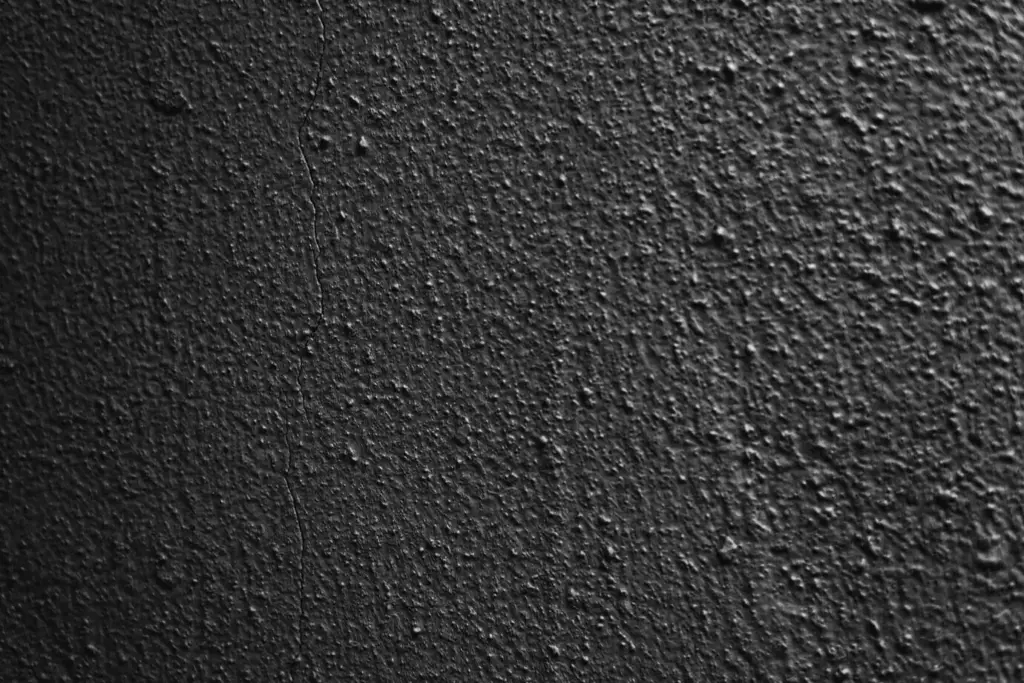
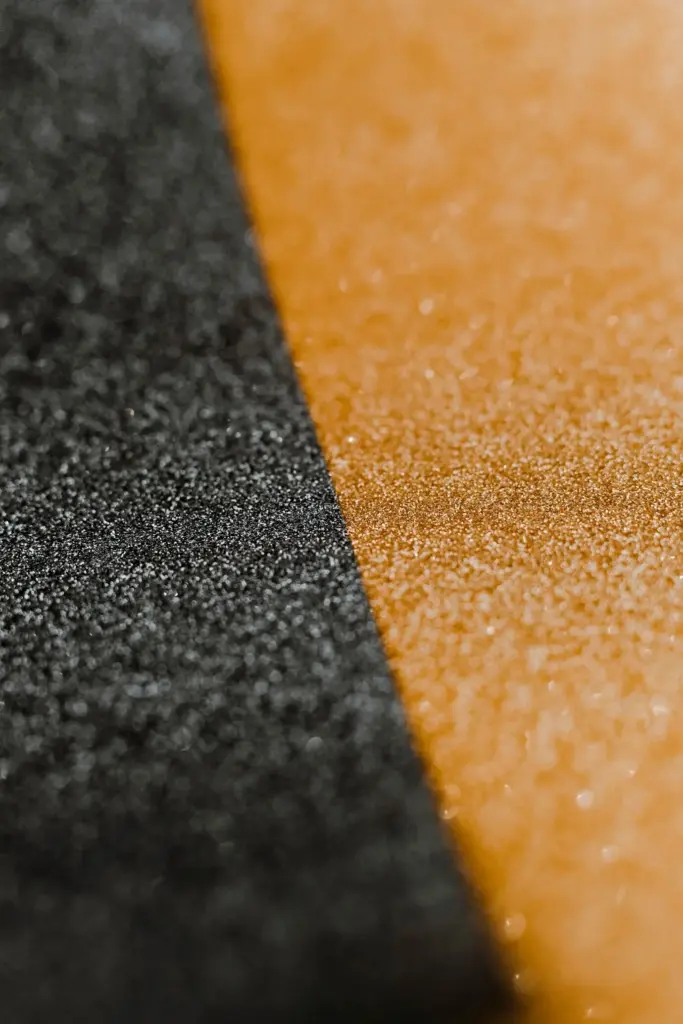
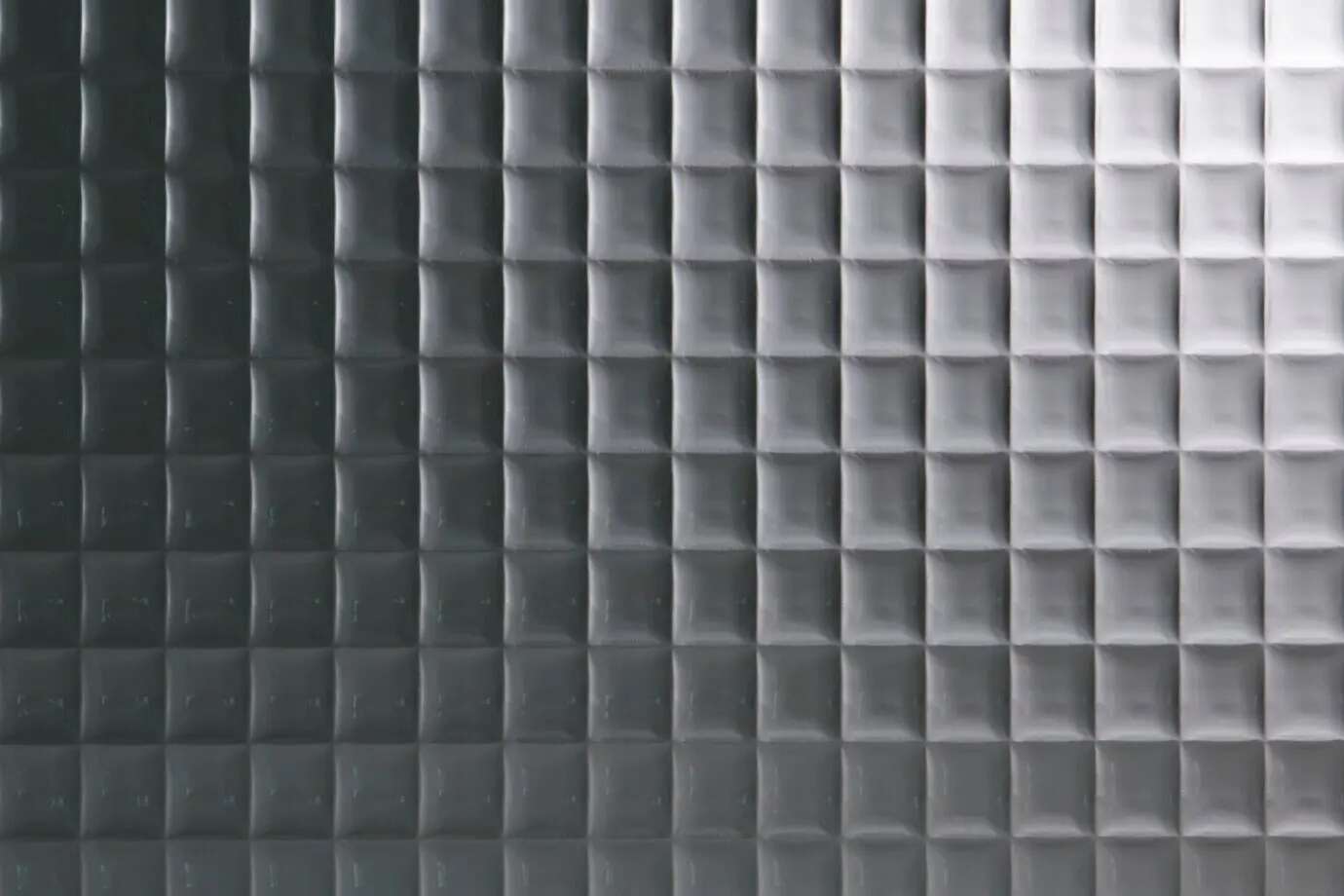
Texture invites touch and gives neutrals narrative. Combining linen, bouclé, wool, jute, raw wood, honed stone, and brushed metals builds contrast that stays calm. We will layer from soft to structured, letting materials meet at edges where light magnifies their differences.
Applying the Approach Room by Room

Living Room Flow and Warmth

In the living room, anchor with a generously scaled neutral rug, then layer a tailored sofa, tactile pillows, and varied wood tones. Conceal media clutter, guide pathways with lighting pools, and create conversation clusters that feel intimate yet adaptable for gatherings.

Bedroom Cocooning Through Texture

Prioritize rest through enveloping softness. Choose breathable linen sheets, a quilted coverlet, and a wool throw for seasonal adaptability. Upholster a headboard in textured fabric, add thick drapery for darkness, and keep surfaces quiet so bedtime routines naturally drift toward calm.

Kitchen and Bath Calm in Practice

In kitchens and baths, durable texture matters most. Combine matte cabinetry, stone or quartzite with gentle movement, and unlacquered hardware that patinates. Use woven runners for softness underfoot, and keep color restrained so the rhythm of meals and care feels restorative.

Pattern, Scale, and Negative Space

Micro-Patterns That Set the Rhythm

Small patterns create rhythm the brain reads as texture. Use micro-herringbone on throws, subtle speckles in ceramics, or tiny ribbing on lampshades. Keep the palette consistent so pattern remains atmospheric, adding interest without diluting the calm you worked carefully to create.

Scale Play Without the Noise

Consider scale like choreography. One oversized cable-knit, a broad-planked floor, or an extra-large bouclé ottoman becomes the lead dancer. Surround with restrained partners and quieter repeats. The result feels dynamic yet centered, allowing the room’s serenity to survive daily movement.

Proportion and Restful Negative Space

Negative space is a material too. Resist filling every surface; let light pool on bare tabletops and walls remain partly open. This pause sets off texture, reveals craft, and gives your favorite pieces the honor of real attention rather than cluttered distraction.

Responsible Materials and Care

Beauty deepens when choices respect the planet and your routines. Favor renewable fibers, low-VOC finishes, and durable constructions that repair gracefully. We will explore sources, tests for quality, and simple maintenance rituals that keep a low-key interior performing quietly for years.

Styling, Stories, and the Final Edit

The last layer is personal: arrangements that mean something, edited with restraint. We will build quiet vignettes, calibrate quantities, and leave endings slightly open. Share your experiments and questions in the comments; your insights help this community refine decisions together.
Zituvalulurozero
Privacy Overview

This website uses cookies so that we can provide you with the best user experience possible. Cookie information is stored in your browser and performs functions such as recognising you when you return to our website and helping our team to understand which sections of the website you find most interesting and useful.